Stories
By addressing basic needs, we interrupt cycles of crisis to lift families up and give new generations a chance to thrive.
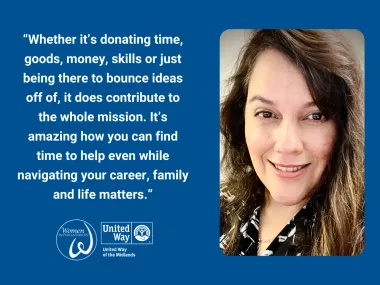
Meet Paola Portman, Dominion Energy's Senior Business Performance Analyst in Electric Transmission Support and the Grants & Initiatives Chair of Women in Philanthropy (WIP). With a passion for uplifting women and a keen eye for meaningful impact...
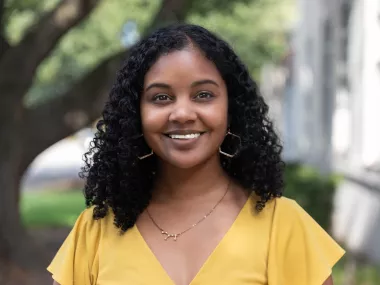
Meet Chardonnay Ismail, a Client Engagement Manager at Chernoff Newman, where she manages projects and cultivates day-to-day relationships with clients and agency teams. But beyond her professional prowess, Chardonnay is making a significant impact...
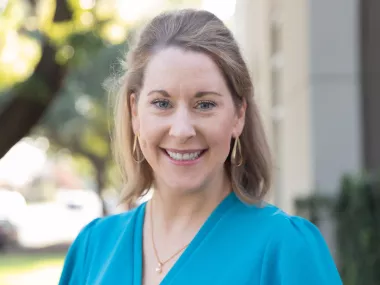
Meet Ann Beckwith, a Financial Advisor at Abacus Planning Group and WIP's Communications Chair. At Abacus, Ann works closely with clients to understand their objectives in order to develop, implement and monitor a comprehensive financial plan to...
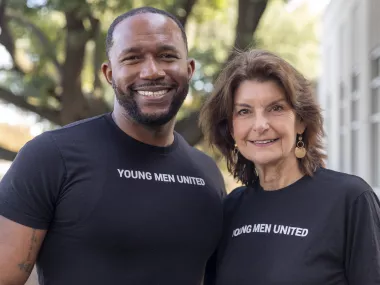
Meet Stacey Atkinson, a passionate Alabama transplant, adventurer, and youth advocate who has seamlessly integrated her dedication to youth empowerment with a unique approach to philanthropy. As a former Juvenile Justice Administrator, Stacey...
Mariah Williams had always prided herself on her independence, but the beginning of this year dealt her a major setback. She found herself laid off from both of her full-time jobs, leaving her in a precarious situation. To make matters worse, the...
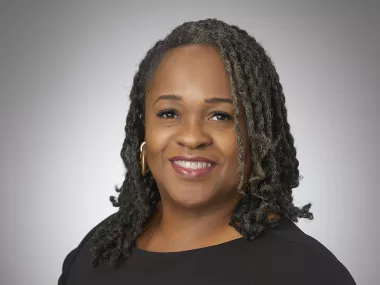
Meet Tammy Jones, Manager of Training and Development at BCBSSC and the Vice Chair of Women in Philanthropy. In her role as the Manager of Training and Development for BlueCross BlueShield of South Carolina, Tammy is no stranger to the importance of...
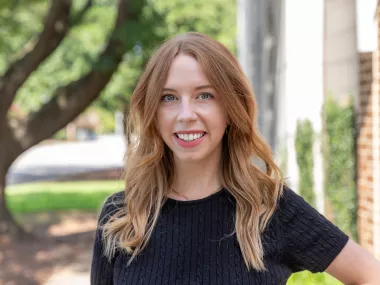
In this Q&A, we sit down with Sarah Landholt, a passionate advocate for philanthropy, community service, and the well-being of women and children in the Midlands. Sarah shares her insights on serving on the board, the significance of philanthropy...
Women in Philanthropy (WIP) have dedicated their efforts to weaving together threads of hope, compassion, and support, all in the name of uplifting those in need. During the fiscal year 2022-23, their collective determination took center stage as...
New to the Midlands, this initiative brings wrap-around support to college-capable male high school students of color, allowing them to enter and succeed in college and successfully enter the workforce or graduate school.

MRC Update MRC is active in 17 elementary schools across 8 school districts. A total of 187 volunteers have completed the MRC and school district registration process and are actively working 1:1 with students. A total of 209 students are currently...

Continuum of Care Funds In April the U.S Department of Housing and Urban Development (HUD) announced that, through the CoC grants, the Midlands Area consortium for the Homeless (MACH) was awarded over $4.1 million to combat homelessness in the...
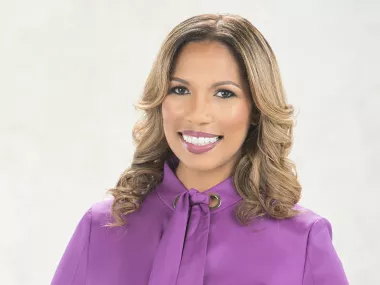
This Women’s History Month, we celebrate the sheroes in our Midlands community paving the way for future generations of women leaders. Roslyn Clark Artis, J.D., Ed., has led Benedict College as its first woman president since her unanimous...
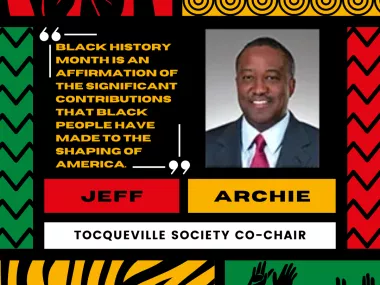
Black History Month serves as an additional opportunity to stop and reflect on the achievements made by Black leaders of both the past and present. This month, we’re spotlighting one of our Tocqueville Society donors, Jeffrey “Jeff” Archie. Jeff...
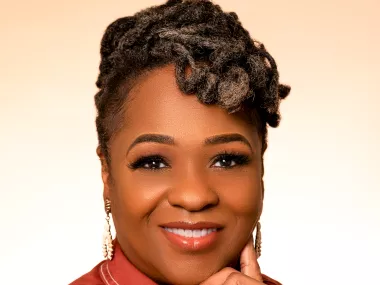
Black History Month serves as an additional opportunity to stop and reflect on the achievements made by Black leaders of both the past and present. This month, we’re spotlighting one of Women in Philanthropy’s own sheros, Tammy Jones. Tammy Jones is...
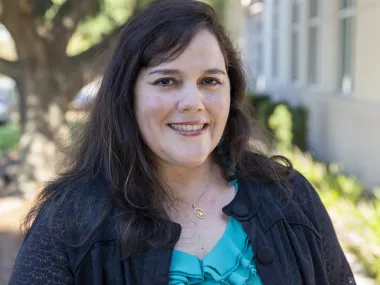
United Way of the Midlands’ Women in Philanthropy is closing out National Hispanic Heritage Month by featuring Paola Portman, Women in Philanthropy donor and Senior Business Analyst in Electric Transmission at Dominion Energy (Columbia, SC). In this...
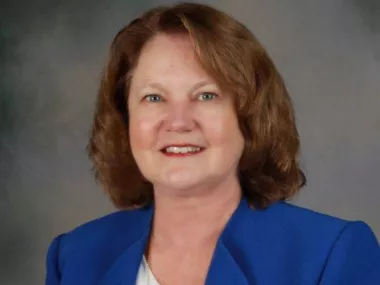
Columbia, SC (August 11, 2022) – United Way of the Midlands will honor Barbara Willm as the 2023 Humanitarian of the Year award recipient on February 16, 2023, at the University of South Carolina Alumni Center. The Humanitarian of the Year Award is...
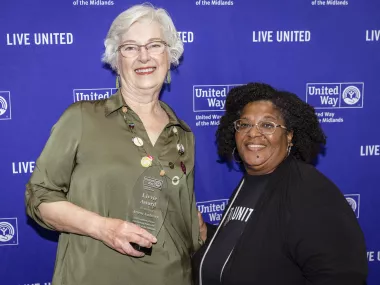
MRC volunteer Arlene Andrews was recently recognized at United Way of the Midlands’ Live United Awards as a recipient of a Livvie Award. These awards recognize individuals who volunteered on behalf of United Way of the Midlands and have done...
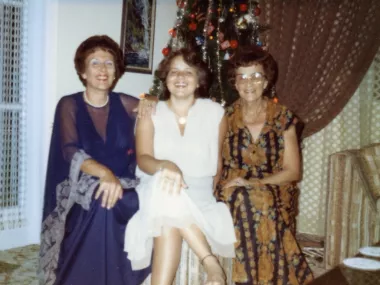
Women’s History Month is a time to honor and reflect on the influential and inspirational women of the past and present. Gunn Bente “GB” Olsen, Vice President of Resource Development at United Way of the Midlands, takes a moment to reflect on those...
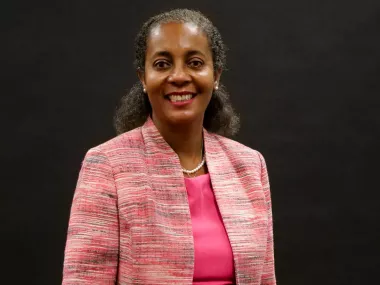
Housed in a formerly segregated school, Brookland-Lakeview Empowerment Center (BLEC) works to preserve Lakeview School’s rich history while educating and empowering seniors and youth through various avenues. The Brookland Center for Community...
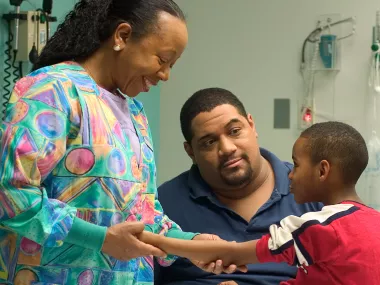
Serving uninsured adults living in Newberry County, the Free Medical Clinic of Newberry County provides access to specialty care including dental, vision, and medication assistance to those in need and at no cost to the individual. Staffed by...
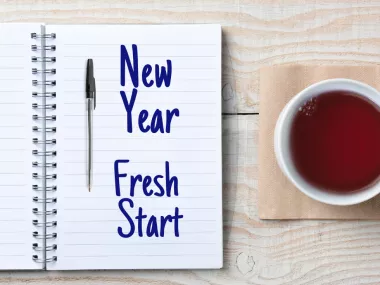
It’s the time of year many of us set ambitious goals for the year ahead with little strategy for achieving them. In fact, only 8% of us will succeed! Fortunately, research shows us a better path to success. These tips will help set you up for success...
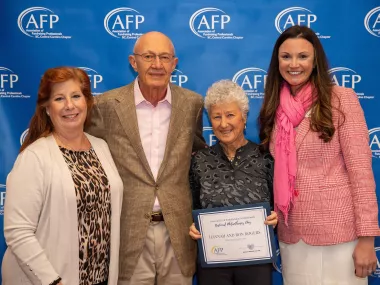
Hannah and Ron Rogers were selected as the 2021 Outstanding Philanthropist at AFP's 31st Annual Celebration of National Philanthropy, Nov. 4, 2021. Hannah and Ron are long-time United Way donors and were nominated for this honor by Maria Dehart...

Deja Vaughn is a graduate of the University of South Carolina, where she earned a Bachelor of Arts in Visual Communications, and currently serves as a returning MRC AmeriCorps School Liaison. Vaughn said she "became an AmeriCorps member to foster...
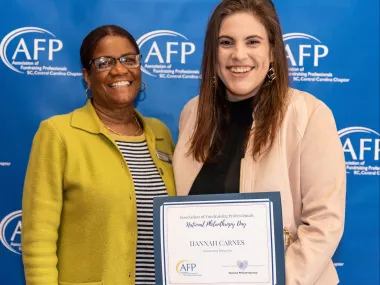
Hannah Carnes, United Way of the Midlands Resource Development Officer, was recognized as the 2021 Rising Star by the Association of Fundraising Professionals, Central South Carolina Chapter at the chapter’s 31st Annual Celebration of National...
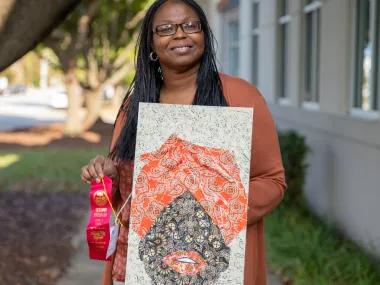
La Ruchala Murphy, United Way of the Midlands’ Director of Leadership & Capacity, won three second-place ribbons in the 2021 South Carolina State Fair Home & Craft competition and dedicates one piece to her mother. Creating these pieces helped her...
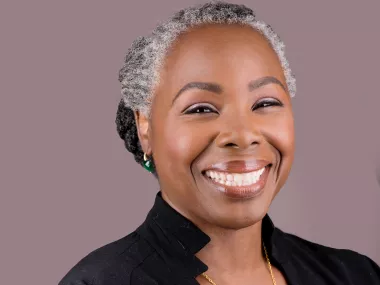
United Way of the Midlands is rounding out Black Philanthropy Month features with Tocqueville donor , Isvara Wilson, who conveys the "power of giving" and the benefits of creating more diverse and equitable spaces. Wilson is the Executive Vice...
Hazel Smith, WellPartners patient, is smiling today thanks to WellPartners Adult Dental Clinic restoring her smile and confidence. "I called the caseworker for Salvation Army, and she introduced me to WellPartners, and WellPartners took care of me,"...
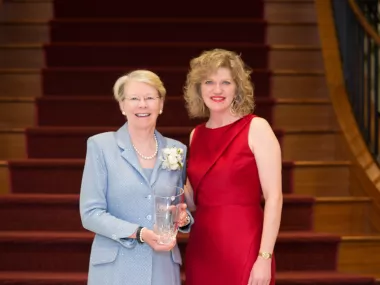
At an award ceremony at UofSC's Pastides Alumni Center, Pamela Lackey was honored as 2019 Humanitarian of the Year.
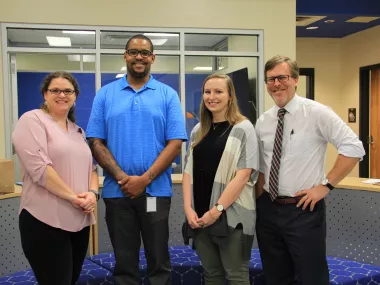
Childhood trauma impairs development and its harmful effects can last a lifetime. The early experience of trauma is more common than is widely known and has a tremendous cost to our community. More than two-thirds of adults in Richland County have...
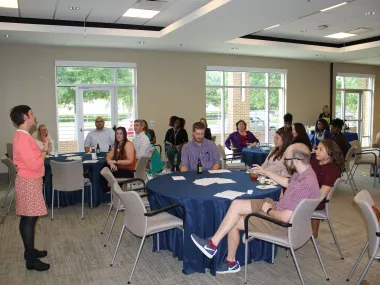
Why Blueprint for Leadership? In order to continue our growth in the professional world, many of us look for opportunities to network and engage with other professionals outside of our normal circle. Some of us join clubs while others decide to...